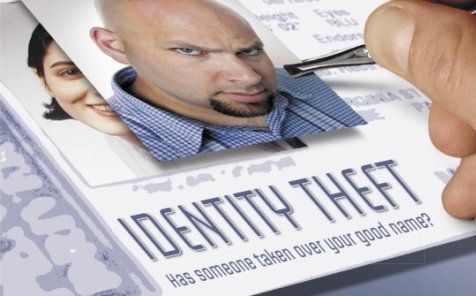
Showing posts with label Identity theft. Show all posts

Monday, March 8, 2010

Increasing Online Identity Fraud Highlights the Need for Consumers to Better Protect Themselves

During National Consumer Protection Week Capital One Offers Important Tips to Stay Safe from ID Theft and Fraud While Online


MCLEAN, Va.--(BUSINESS WIRE)--Capital One Financial Corporation (NYSE: COF) joins government agencies and national advocacy organizations in support of National Consumer Protection Week, March 7-13, 2010. This year’s theme, Dollars & Sense: Rated “A” for All Ages, focuses on helping people at all stages of life become informed and empowered consumers. With consumers, from teens to seniors, increasingly using online and mobile technologies, it is important for people of all ages to know how they can steer clear of online scams and identify theft.


“For many consumers, filling out forms and typing in sensitive personal information has become almost second nature, but it’s important to be alert and aware of the potential risks online”


A recent study, which shows a significant increase in identity fraud in 2009, highlights the need for greater consumer awareness when it comes to avoiding scams and identity theft. According to the Javelin Strategy & Research 2010 Identity Fraud Survey Report, the number of identity fraud victims in the United States jumped in 2009 by 12 percent from the previous year to 11.1 million adults – the highest increase since the survey was first conducted in 2003. The survey also found an increase in computer-based crimes, indicating that thieves are increasingly taking advantage of online channels.


“For many consumers, filling out forms and providing sensitive personal information has become almost second nature, but it’s important to be alert and aware of the potential risks online,” said Shelley Solheim, Director of Financial Education for Capital One. “Identity theft and fraud are threats that can impact anyone – no one is immune. Know who you are dealing with online, and never give out personal information to someone you don’t know.”


In support of National Consumer Protection week, Capital One offers these simple tips to empower consumers of all ages to protect themselves from identity theft and reduce the risk of falling victim to online fraud.


General online safety tips


  • Keep your web browsers and operating system up to date – Most software developers release updates of their software on a regular basis that provide fixes to known problems, improve performance, and provide new functionality. In general, it’s up to the user to decide if and when software should be updated or upgraded to a new release. Upgrading and keeping your software current can ensure that your system has the highest level of protection.

  • Ignore suspicious emails and never click on links asking for personal information – Watch out for emails from scammers offering to give away free money or asking for help moving a large sum of money. Another common scam involves a plea from someone claiming to be stranded in a foreign country, possibly helping a loved one, and needing your money to get back home. This scam has even been conducted through social networking sites.

  • Beware of bogus online donation scams – Following the Haiti earthquake, the FBI is advising people to be careful when evaluating donation programs related to the earthquake. Scam emails have already emerged; one was an email that purported to come from the British Red Cross soliciting donations. Be wary of people claiming to be an official or a victim asking for a donation. Instead of following a link in an email, go directly to the charity’s website. And never release your personal information to someone soliciting money.

When shopping online

  • Use secure online shopping sites – To ensure that your information is protected when shopping online, look for an unbroken key or padlock at the bottom of your web browser when providing payment information. When you’re asked to provide payment information, the beginning of the Web site’s URL address should change from http to shttp or https, indicating that the purchase is encrypted or secured.

  • Check out the seller – Look for online merchants who are members of a seal-of-approval program that sets voluntary guidelines for privacy-related practices, such as TRUSTe (www.truste.org), Verisign (www.verisign.com), or BBBonline (www.bbbonline.org). If it’s your first time on an unfamiliar site, call the seller’s phone number, so you know you can reach them if you need to. If you can’t find a working phone number, take your business elsewhere.

  • Use caution with social media – Social media sites like Facebook and Twitter are increasingly used by retailers to promote new deals and disseminate coupons. Unfortunately, scammers are also using these sites, often masquerading as a friend to deliver malicious links that can allow hackers to steal personal information. Keep this in mind when using social media tools and be particularly suspicious of messages or promotions you did not sign up to receive. Instead of following links, go directly to the store’s website and navigate to find the special sale item.

  • Never give out your account information or social security number – Never respond to emails or instant messages that ask you to provide account information for “verification.” Don’t follow links to websites in such emails either. These are known as “phishing” scams and are used to collect account information that can then be used for fraudulent purchases.

  • Consider how you’ll pay – Credit cards generally are a safe option because they allow buyers to seek a credit from the issuer if the product isn’t delivered or isn’t what was ordered. Don’t send cash or use a money-wiring service because you’ll have no recourse if something goes wrong.

  • Keep your password private – Many e-commerce web sites require shoppers to log-in before viewing or placing an order. When selecting a password, do not use commonly known information, such as your name, birthdate, or numbers from your driver's license or Social Security number. You should also refrain from reusing the same password for multiple sites.

  • Choose security question answers that only you know – In addition to keeping your passwords private, also beware of security questions that help retrieve your password in the event that you forget it. Even the most trivial information - like your mother’s maiden name or first pet’s name - can be exploited by cybercriminals. Many of these details may seem unimportant, but they can serve as password recovery hints for email addresses or online banking accounts.

  • Keep a paper trail – Print and save records of your online transactions, including the product description and price, the online receipt, and copies of any email you exchange with the seller. Read your credit card statements as soon as you get them to make sure there aren’t any unauthorized charges.

  • Use a secure computer – When you’re away from home, do not save private information onto computers used by the public. If you're accessing a private account at the library or another public place, be sure to log out completely from your accounts, and do not save login information (like your username or password) on these computers.

If you think you are a victim of identity theft

  • Place a fraud alert on your credit reports– Call one of the three credit reporting agencies, TransUnion, Experian or Equifax. Report that you have been an identity theft victim and request a “fraud alert” and/or victim statement to be placed on your credit file. The company you call is required to contact the other two.

  • Close the accounts that you believe have been tampered with or opened fraudulently – Contact someone in the security or fraud department of each company, and follow up in writing.

  • File a police report – Call your local police department to file a report. List any suspects that could have committed the crime.

  • File a complaint with the Federal Trade Commission – You can file a complaint with the FTC using the online complaint form, or call the FTC’s Identity Theft Hotline – 1-877-ID-THEFT.

Consumers can find more information about how to avoid becoming a victim of identity theft and what to do if they do fall victim in a free guide from Capital One and national consumer advocacy and education group Consumer Action called ID Theft/Account Fraud Prevention and Clean Up – available at www.money-wise.org.

About Capital One

Capital One Financial Corporation (www.capitalone.com) is a financial holding company whose subsidiaries, which include Capital One, N.A. and Capital One Bank (USA), N.A., had $115.8 billion in deposits and $212.0 billion in total managed assets outstanding as of December 31, 2009. Headquartered in McLean, Virginia, Capital One offers a broad spectrum of financial products and services to consumers, small businesses and commercial clients. Capital One, N.A. has approximately 1,000 branch locations primarily in New York, New Jersey, Texas, Louisiana, Maryland, Virginia, and the District of Columbia. A Fortune 500 company, Capital One trades on the New York Stock Exchange under the symbol "COF" and is included in the S&P 100 index.


Thanks for Visiting - Bookmark us or Add to your Favorites and Find Out What's Going on Tomorrow in the Payments Industry

Friday, February 19, 2010

2010 Identity Fraud Survey Report: Identity Fraud Continues to Rise New Accounts Fraud Drives Increase

Research and Markets: 2010 Identity Fraud Survey Report: Identity Fraud Continues to Rise New Accounts Fraud Drives Increase; Consumer Costs at an All-Time Low

DUBLIN--(BUSINESS WIRE)--Research and Markets has announced the addition of Javelin Strategy & Research's new report "2010 Identity Fraud Survey Report: Identity Fraud Continues to Rise New Accounts Fraud Drives Increase; Consumer Costs at an All-Time Low" to their offering.


ID Fraud continued to rise in 2009, with Javelin finding there are more victims than in any period since the survey began in 2003. Driving that increase was new accounts fraud, which showed longer periods of misuse and detection and therefore more dollar losses associated with it than any other type of fraud. Meanwhile the consumer costs, the dollar amounts the victim pays on average out- of- pocket, reached an all time low. The Javelin 2010 Identity Fraud Survey Report provides a detailed, comprehensive analysis of identity fraud in the United States in order to help consumers and businesses better understand the effectiveness of methods used for its prevention, detection and resolution. A nationally representative sample of 5,000 U.S. adults, including 703 fraud victims, was surveyed via a 50- question phone interview to gain insight into this crime and the effects on its victims. This report, supported by the Better Business Bureau, is issued as a longitudinal update to the Javelin 2005, 2006, 2007, 2008, and 2009 Identity Fraud Survey reports and the FTCs 2003 report.


This survey is co- sponsored by organizations committed to educating and helping consumers and businesses reduce their risk of identity fraud including Fiserv, Inc., Intersections Inc., Wells Fargo & Company, and ITAC, the Identity Theft Assistance Center and is supported by the Better Business Bureau. Sponsors partially underwrite Javelins cost of data collection, analysis and -reporting in return for having their organization cited in the release of the study. Javelin retains complete independence of data analysis and reporting, and the report has been created solely by Javelin employees.


The categories of fraud are listed below from least to most serious:
  • Existing card accounts: This category includes both the account numbers and/or the actual cards for existing credit and card-linked debit accounts. Prepaid cards were added for 2007 and subsequently removed due to extremely low incidence.

  • Existing non-card accounts: This category includes existing checking and savings accounts, and existing loans, insurance, telephone and utilities accounts.

  • New accounts and other frauds: This category includes new accounts or loans for committing theft, fraud or other crimes using the victim's personal information.

Many victims experience identity fraud within more than one of these categories. In reporting the overall incidence rates of the three categories or types of accounts, the victims of crimes to more than one type of account are categorized based on the most serious (as designated by the FTC) problem reported. Thus, victims who reported that new accounts had been opened using their information and also that their existing credit cards had been misused would be placed in the new accounts and other frauds classification, not in the existing card accounts classification. This categorization is applicable only for reporting the rates of the three types of fraud.

Key Topics Covered:

  • Overview

  • Executive Summary

  • Major Findings

  • The Total Annual Fraud Amounts and Rate of Incidence Increase in 2009

  • More Victims Than Any Time in the Past Six Years

  • Consumer Costs Lower as Industry Absorbs More of the Fraud Loss

  • What is the Top Breached Data?

  • What is the Top Account Takeover Method?

  • How Can Consumers Lower Their Costs?

  • What Is the Major Cost Component of Overall Identity Fraud?

  • Despite Increased Attacks, Existing Credit Card Losses Drop

  • How Quickly do Different Types of Fraud End?

  • More Fraudulent New Accounts Opened

  • Existing Non- Card is Twice as Likely Among Friendly Fraud Victims

  • More Victims Take Action in 2009

  • Key Demographic Information

  • Younger Adults and Social Networking

  • Core Millennials and Detection Times

  • Small Business Owners and Their Fraud Rates

  • Consumer Recommendations for Prevention, Detection and Resolution of Identity Fraud

  • Recommendations

  • Recommendations to Financial Institutions

  • Educate the Customer

  • Enlist the Customer

  • Tighten Internal Controls

  • Protect Data

  • Recommendations to Consumers

  • Table of Figures

  • Companies Mentioned

For more information visit http://www.researchandmarkets.com/research/d7bc7b/2010_identity_frau


Thursday, February 11, 2010

Credit Card Fraud Now Comprises 75% of ID Crime Cases

Until we stop "typing" and start "swiping" we will continue to see this trend continue.  This, from a story published at eCreditDaily.com,


Credit Card Fraud Surging in I.D. Theft Cases, Study Says

Credit card fraud surged in 2009 as the No. 1 form of rising identity theft, and it now comprises 75 percent of I.D. crime cases, according to a survey of 5,000 adults by Javelin Strategy & Research, the California-based research firm.


The credit card portion of I.D. fraud is up from 63 percent in 2008, Javelin’s study found.


Editor's Note:  The Consumer Version of Javelins Report is free and can be obtained by clicking the link at the bottom of this post. 


The overall number of identity theft victims in the United States rose 12 percent to 11.1 million last year, the firm’s findings show.  Total losses from identity fraud climbed 12 percent to $54 billion, up from $48 billion in 2008. The mean theft amount – per victim – slightly decreased to $4,841, but out-of-pocket consumer losses were $373, down from $498 in 2008, Javelin said.


“The average consumer cost is actually dropping because businesses are shouldering more of that actual fraud amount in order to protect individuals,” said James Van Dyke, Javelin president and founder. This is Javelin’s seventh annual identity fraud report.   Survey respondents reported more credit card fraud, followed by debit card fraud — 33 percent, down from 35 percent. The survey also showed an increase in stolen checking account numbers and health insurance documents.
96 pages; 67 charts/graphs

21 pages; 8 charts/graphs


Monday, October 27, 2008

Identity Theft: More Likely if You Speak English


SAN JOSE, Calif. - (Business Wire) Online consumers in English-speaking countries are the most frequent victims of identity theft, twice the rate of France, Germany and Spain, according to a new study released by PayPal. With the holiday season fast approaching, three quarters of online shoppers worldwide are concerned about online scams or identity theft. The research, conducted by Ipsos, examined online security fears and habits in the United States, Canada, France, Germany, Spain and the United Kingdom.

The survey found that 10 percent of online shoppers in Canada, the U.S. and the U.K. had experienced identity theft. This compares with only five percent in France, Germany and Spain. Approximately 25 percent of online shoppers in the three English-speaking countries knew friends or family who had their identities stolen.

This survey shows that while concerns about ID theft form a universal language, more identity theft tends to occur in countries where a higher percentage of e-commerce is concentrated,” said Michael Barrett, chief information security officer for PayPal. “But e-commerce is growing in prominence around the world, and fraudsters will likely follow the money. Consumers everywhere can stay one step ahead and better protect themselves online by following a few simple tips.”

While choosing and safeguarding passwords is one of the most important factors to online security, attitudes and behaviors vary greatly between cultures. German consumers are the most vigilant with passwords. Only about one in four (28 percent) has ever shared an account password with a family member or friend. This compares with 60 percent of Americans and 56 percent of French consumers who shared passwords. Consequently, Germans also experienced the fewest problems with identity theft -- only three percent of German consumers have experienced identity theft, and fewer than one in 10 knows someone who has.

Almost half of consumers in all countries surveyed use important dates, family member names, nicknames or pets’ names as their online passwords. French and Spanish consumers are most lax when it comes to updating their passwords. Sixty-one percent of French consumers and 63 percent of Spanish consumers change their passwords less than once per year or only when required to do so.

The survey found that about 40 percent of consumers in all six countries use social networking sites, and some of these consumers display personal information that they also use for passwords. More than one in four French consumers display their birth dates on social networking sites and also use birth dates as online passwords. Less than 10 percent of consumers in the UK and Canada do the same.

Other Global Findings


Reblog this post [with Zemanta]

Tuesday, October 7, 2008

10 Tips to Secure Online Shopping that You Won't Need to Know!

Editor's Note: Before you read this story about 10 tips to prevent hackers from getting your card information when shopping online, I should let you know that ultimately, practicing these tips won't protect you. I will however, show you a simple and logical way to make your online transactions exponentially more secure...ultimately providing you and yours with the peace of mind so many online-shoppers lack, yet desire. Here's how...

Simply place an order for a HomeATM Personal Swiping Device, and you won't ever have to worry about the following 10 tips designed to "help" protect your identity when shopping online.

Even if you were to memorize and practice the art of using all 10 of these tips, you are NOT going to be protected when shopping online. You'll be more protected, but not fully protected. But there is a way to fully protect you when you shop online.

It's simple...compare the two choices:

Choice One (current method):
Think about it. Does any part of your mind, intuition, thought process, knowledge, etc. think this is a safe way to purchase anything online? Then why would you enter your card information including your card number and expiration date into a box on a website and then worry hacker will see your data or break into the the retailers system in the future, steal your data and wipe out your bank account?

Choice Two (Our Way): For the cost of shipping and handling, we'll send you our SwipePIN device and you can process your purchases online the same way you do it in retail stores.

Simply take out your card and swipe it yourself in the safety of your own home. See the numbers on the PIN pad? Yes, it even allows you to further secure the transaction with your PIN. (all data is fully encrypted). You should be "SwipePIN your Slider"


This globally patented platform brings the Point of Sale device Home...where the Point of Sale occurs. Better yet, (and here's our direct response TV commercial pitch) "Try HomeATM's SwipePIN device at home FREE for 90 days...just pay shipping and handling ($5.00) and if you're not completely convinced it's the most secure way to make your online purchases, let us know and we'll deactivate it. Otherwise, use it to send us $5.00 dollars for a total cost of only $10.00! You can now shop online safely, securely with the knowledge that both your card and card reader are hack and skim free, respectively. (You can also rest assured it hasn't been tampered with)

Until you start using the SwipePIN method, consider these tips to reduce your risks. But remember, there's keyloggers, hijackers, screen scrapers, hacktivists, wardrivers and myriad other threats that these tips don't protect you against.

Credit Card TheftTen Online shopping tips to protect your identity
This holiday season many online shoppers wanting to avoid the hassle of visiting crowded shopping malls will look to the web as a quick and easy to purchase gifts for friends and loved ones. Although the number of Canadians shopping online continues to grow, there are still many consumers who won't shop online for fear they could be victims of identity theft.

The truth is that identity theft is a relatively rare occurrence and most identity theft occurs in using low tech off-line methods therefore most experts agree that shopping online is very safe provided consumers use some common sense when shopping online.

To help make shopping online more safe and secure, Digital Home presents the following Ten Tips for Secure online holiday shopping:

1. Only provide personal information if you're on a secure Web site. Once you are logged in, make sure the Web address starts with "https"("s" means it's secure). For added safety, check for a site certificate before submitting information on a secure page. Confirm the owner of the certificate by clicking on the padlock icon at the bottom of most browsers. You should see the owner listed as well as the site address. This address should match the Web site address at the top of the page; if they do not match, you may be at a fraudulent Web site and should not enter personal data.

2. Never respond to emails asking you to "confirm" recent transactions after you shop. These likely are "phishing" scams sent to lure private information from you.

3. Maintain a paper trail. Print and save records of your online transactions, including the product description and price, the online confirmation/receipt, and copies of any email(s) you exchange with the seller.

4. Do not share your passwords with anyone and never provide your social insurance number, birth date, or mother's maiden name in an email.

5. Make sure all of your security software is up-to-date before you do your online shopping. That includes anti-virus software, anti-spyware, and firewalls.

6. Check a company's privacy policy before doing business with it. A company should allow you to know what personal information its Web site is collecting, why and how it will be used. If you can't find a privacy policy -- or if you can't understand it -- consider taking your business to another site that's more security-conscious and accommodating to customers.

7. Consider using a separate email account for your online shopping. You can set up a free email account online through several different services.

8. Check your bank and visa accounts regularly for any activity you did not initiate. This is especially needed during the busy holiday shopping season. You should be able to log on quickly and check to see if there is any unusual activity in your bank or credit card account that you did not initiate. If there is, contact your bank immediately.

9. Do business with companies you know and trust. Research a company before revealing personal or financial information online. Confirm an online seller's physical address and phone number in case you need to get in touch with them. If you get an email or pop-up message from the seller while you're browsing that asks for financial information, don't reply or click on the link in the message. Legitimate companies don't ask for this information via email or pop-ups.

10. Watch out for fake "look-alike" sites. Some con artists disguise their Web site as a well-known company's site. Check your browser's address bar to make sure you're always using the correct Web site address. If the Web site seems suspicious, leave it immediately and call the company.

Finally and perhaps the most important piece of common sense when shopping online is one that is true when shopping offline - Never let anyone see your card numbers and never hand your card over.


Reblog this post [with Zemanta]

Disqus for ePayment News